Basic women's health check-up where complaints are listened to, examination is performed, and evaluation with ultrasound is done if necessary.
General Gynecology About 30 minutes
Polycystic Ovary Syndrome (PCOS) Treatment
Diagnosis and follow-up for PCOS, which may present with menstrual irregularity, hirsutism, and difficulty conceiving.
About Polycystic Ovary Syndrome (PCOS) Treatment
Polycystic ovary syndrome is a common hormonal condition in women of reproductive age. The most frequently reported complaints are infrequent menstruation, increased hair growth, acne, difficulty controlling weight, and challenges with becoming pregnant. Diagnosis is not made solely based on ultrasound appearance; menstrual patterns, physical examination findings, and hormone levels are evaluated together, and other causes that may lead to a similar picture are excluded. Treatment is tailored according to the goal: regulating menstrual cycles, reducing hair growth, or addressing pregnancy desires require different approaches. Lifestyle changes are a component supported by evidence and are included at every stage of treatment.
What is Polycystic Ovary Syndrome?
Polycystic ovary syndrome is a hormonal condition characterized by the presence of numerous small, benign cysts in the ovaries. It most commonly presents with menstrual irregularities; complaints such as weight gain, increased body hair, and acne may also accompany it.
Because the cysts in the ovaries disrupt the ovulation cycle, women with this condition often experience difficulties conceiving. The hormonal imbalance leads to increased hair growth and acne formation; this can affect appearance and quality of life, causing psychological distress.
What Are the Symptoms?
The most common symptom is irregular menstruation. Especially in girls aged 13-19, the condition may begin after the first menstruation with excessive hair growth and acne. Other frequently reported symptoms include:
- Bleeding between menstrual cycles,
- Acne on the face and back,
- Breast enlargement, reduction, and tenderness.
What Causes It?
Although the exact cause is unknown, it is believed that genetic and environmental factors play a combined role. The risk is higher in those with a family history of similar conditions. Obesity, insulin resistance, and accompanying hormonal imbalances can trigger the condition. Exposure to certain chemicals such as pesticides, BPA, and dioxins is also suggested to have an effect.
How Is Treatment Planned?
Treatment is individualized. First, a detailed evaluation is performed using hormone tests, blood tests, and imaging methods. Then, one of two main approaches is considered:
- Treatment that suppresses ovulation: aims to prevent the formation of new cysts.
- Treatment that regulates ovulation: aims for healthy follicle rupture and prevention of cyst formation.
The choice of approach is made by considering the physician's assessment and the patient's expectations together. If there are other accompanying conditions, their treatment is also included in the process.
What Happens If Left Untreated?
If the condition is not addressed, daily life can be negatively affected; the risk of cardiovascular and endocrine diseases may increase. In the long term, issues such as fatty liver, diabetes, hypertension, metabolic syndrome, infertility, depression, anxiety, and sleep apnea may accompany the condition. Therefore, it is important not to neglect symptoms and to have regular follow-ups.
What Should Be Considered in Daily Life?
Management of this condition is not limited to medication alone. Since obesity and insulin resistance are among the factors that can trigger the condition, weight management and regular physical activity are natural parts of the plan. Noting changes in menstrual patterns, hair growth, and acne progression is helpful during check-ups; this allows for a clearer evaluation of the treatment response.
When Should You Seek Medical Advice?
Evaluation should not be delayed if menstrual cycles are persistently irregular, if menstruation is absent for more than three months, if there is rapidly increasing hair growth and acne, or if there are difficulties conceiving. Since the condition can begin at a young age, it is also appropriate to consult a doctor if symptoms become pronounced after the first menstruation.
The information on this page is prepared for general informational purposes and does not replace a medical examination. Please be sure to consult a doctor for your complaints.
How It Works
The Process
The steps below describe how things generally work at the clinic. Which tests are needed and how the plan is set varies from person to person.
-
Step 1
Initial consultation and assessment
We review your complaints, medical history and any previous tests together. The examination is planned after this conversation.
-
Step 2
Necessary tests
If an ultrasound, lab work or other examination is needed, we clearly explain which one and why.
-
Step 3
Personalized plan
Findings are interpreted together; options, expected duration and any alternatives are shared with you. The decision is made jointly.
-
Step 4
Follow-up
A check-up is scheduled to see how things are progressing. If you have questions in between, you can reach the clinic.
General Gynecology
Related services
Other services in the same area may also interest you.
Investigation of the causes of delayed, frequent, prolonged, or mid-cycle bleeding.
Determining the cause and planning appropriate treatment for complaints of discharge, itching, bad odor, and burning.
A consultation in which the most suitable contraception method is determined together with the patient, and the benefits and limitations of the methods are explained.
Insertion, monitoring, and removal when necessary of copper or hormonal intrauterine devices (IUDs) in suitable patients.
Monitoring of benign muscle masses in the uterus, planning medication or surgical treatment according to symptoms.
Your Doctor
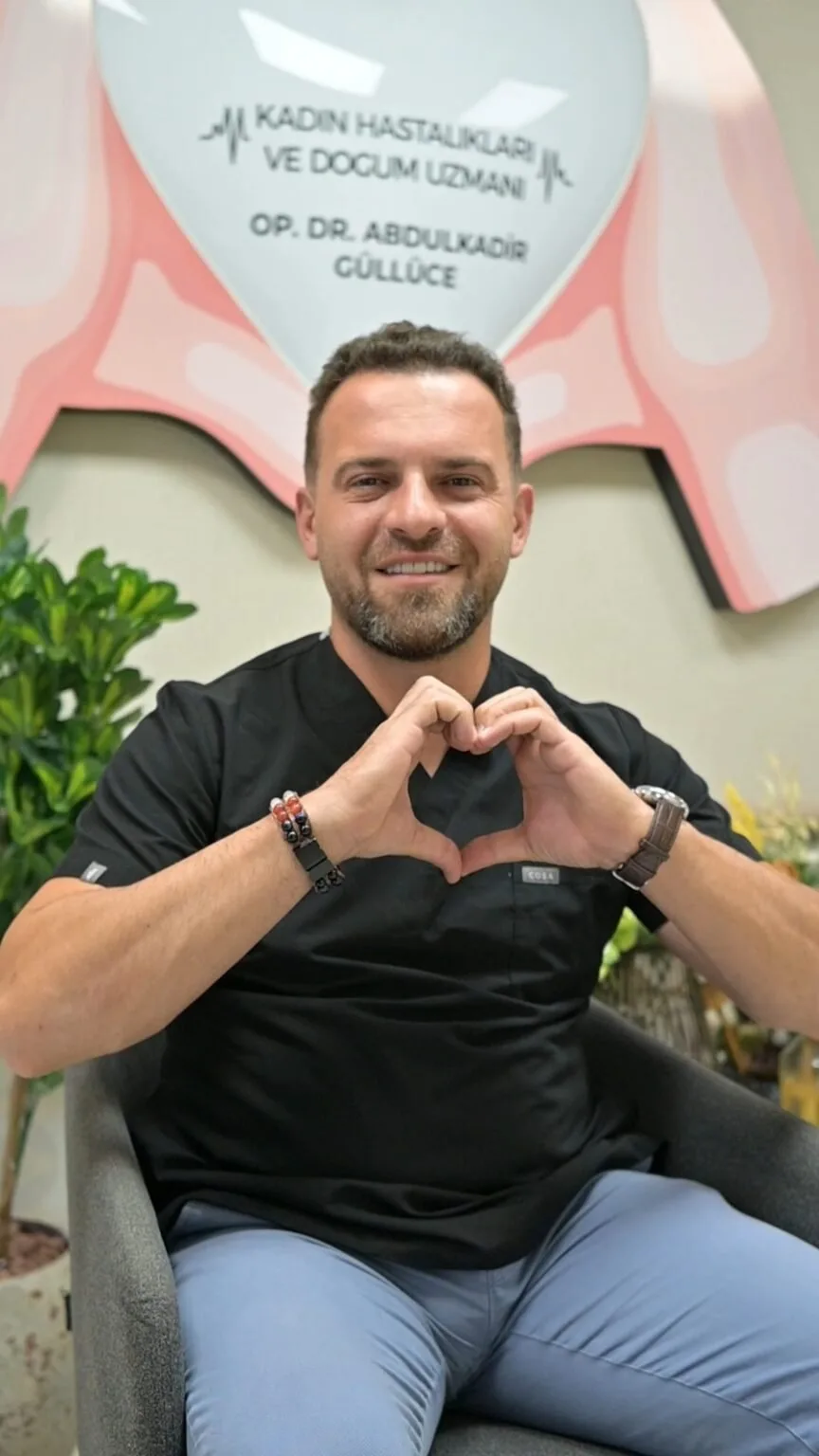
Op. Dr. Abdulkadir Güllüce
Obstetrics and Gynecology Specialist
Op. Dr. Abdulkadir Güllüce has been practicing medicine since 2013 and has specialized in Obstetrics and Gynecology since 2022. He bases his practice on current scientific guidelines in areas ranging from pregnancy follow-up to gynecological surgery, tailoring the treatment plan according to each patient's individual history. He sees his patients at his clinic in Yakuplu, Beylikdüzü, and makes a point of explaining every step of the process in clear, understandable language.
Book Polycystic Ovary Syndrome (PCOS) Treatment
The service will already be selected when you book. After choosing a day and time, there's just a short confirmation step.
The information on this page is for general purposes; it does not replace an examination, diagnosis or treatment and does not promise any outcome. Whether it applies to you is assessed together with your history and examination findings. If you experience severe pain, heavy bleeding, fever or fainting, go to the nearest healthcare facility without delay.