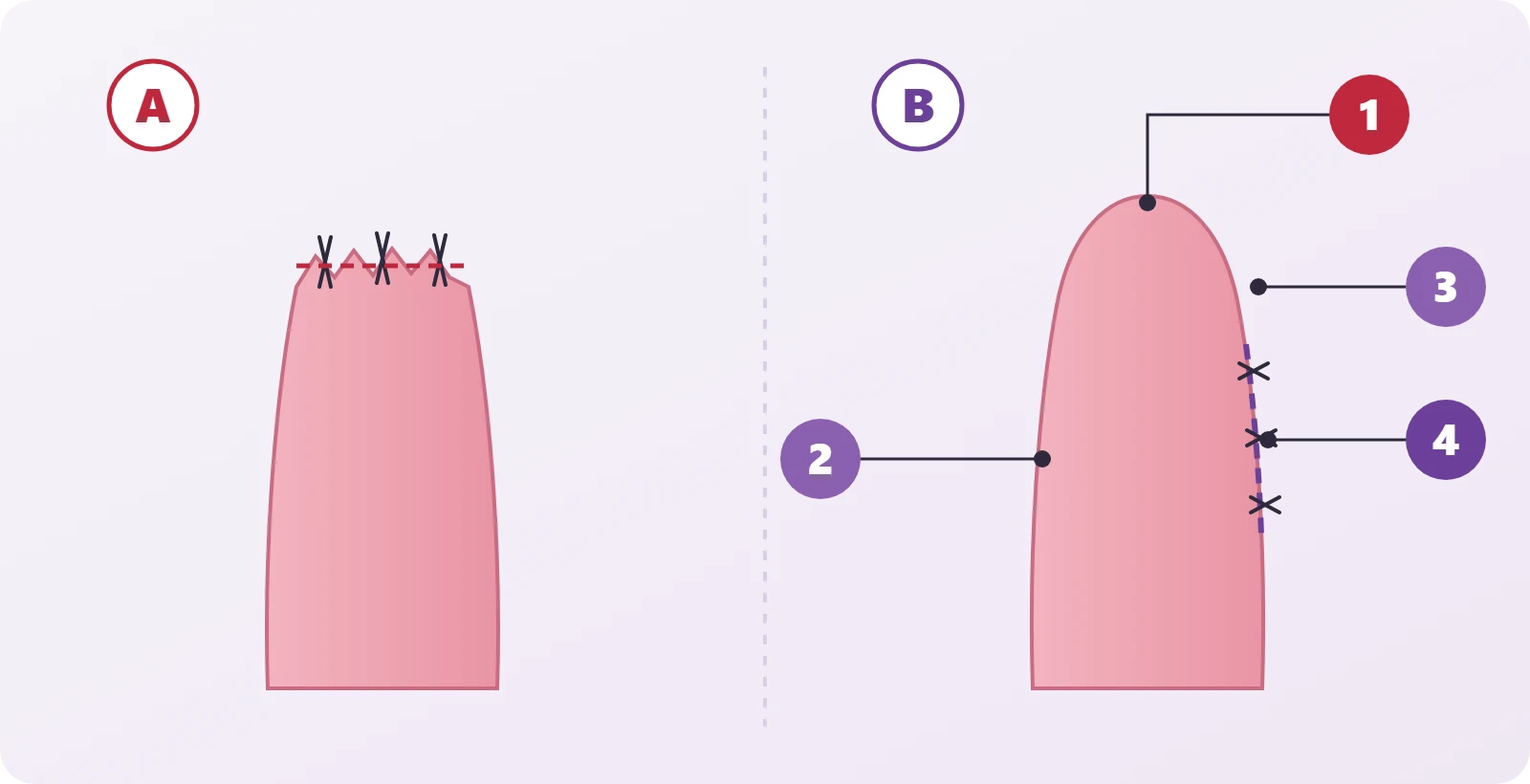
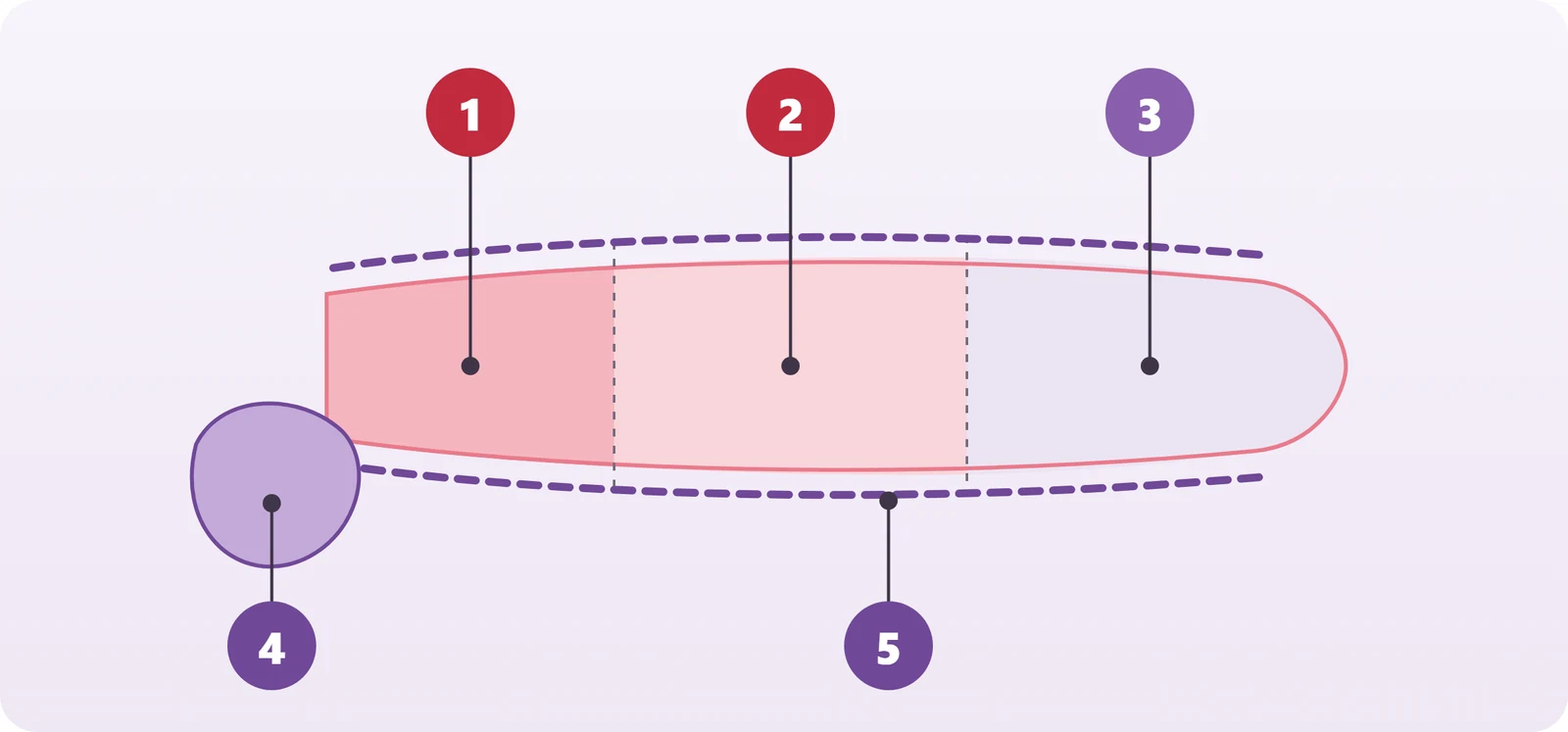
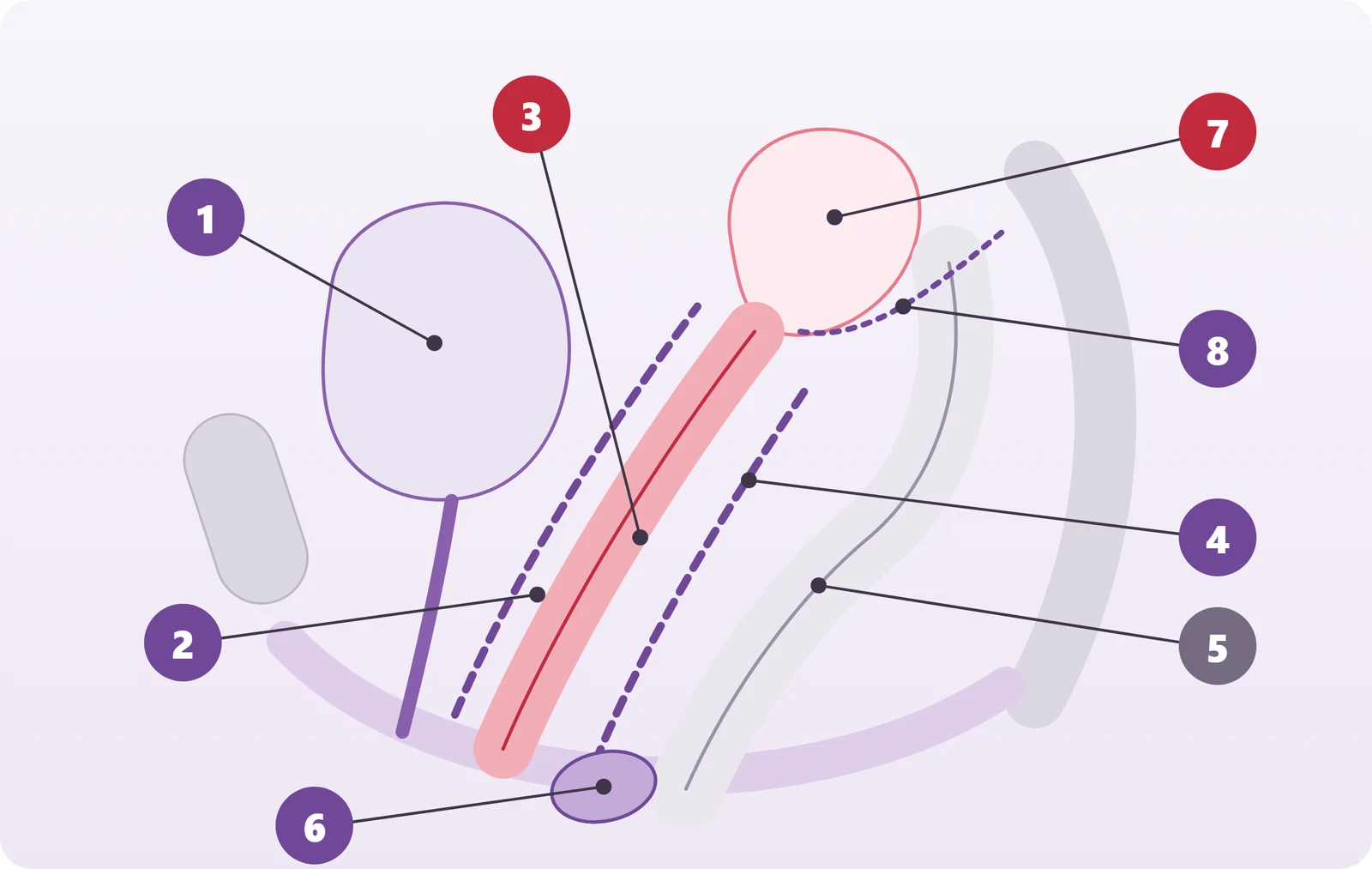
The risks of vaginoplasty depend on the scope of the procedure performed. In addition to general surgical complications, there may also be complications specific to the organs due to the anatomical position of the vagina between the bladder and rectum.
Possible complications include bleeding, hematoma, infection, delayed wound healing, wound dehiscence, scarring, dyspareunia, excessive narrowing, insufficient narrowing, asymmetry, urinary retention, urinary symptoms, constipation, recurrent vaginal laxity or prolapse, rectal injury, and very rarely fistula formation.
ACOG also recommends that patients be informed about pain, bleeding, infection, scarring, adhesions, sensory changes, dyspareunia, and the potential need for reoperation in vaginal cosmetic surgeries.
The fundamental principle of the vaginoplasty approach in our clinic
The goal of vaginoplasty surgery in our clinic is not to make the vagina as narrow as possible. The objectives are:
- to identify the true anatomical cause of the patient’s complaint,
- to separately evaluate the anterior and posterior vaginal support structures,
- to repair any fascial defects if present,
- to reconstruct perineal support when necessary,
- to anatomically reconstruct the vaginal canal without impairing its function.
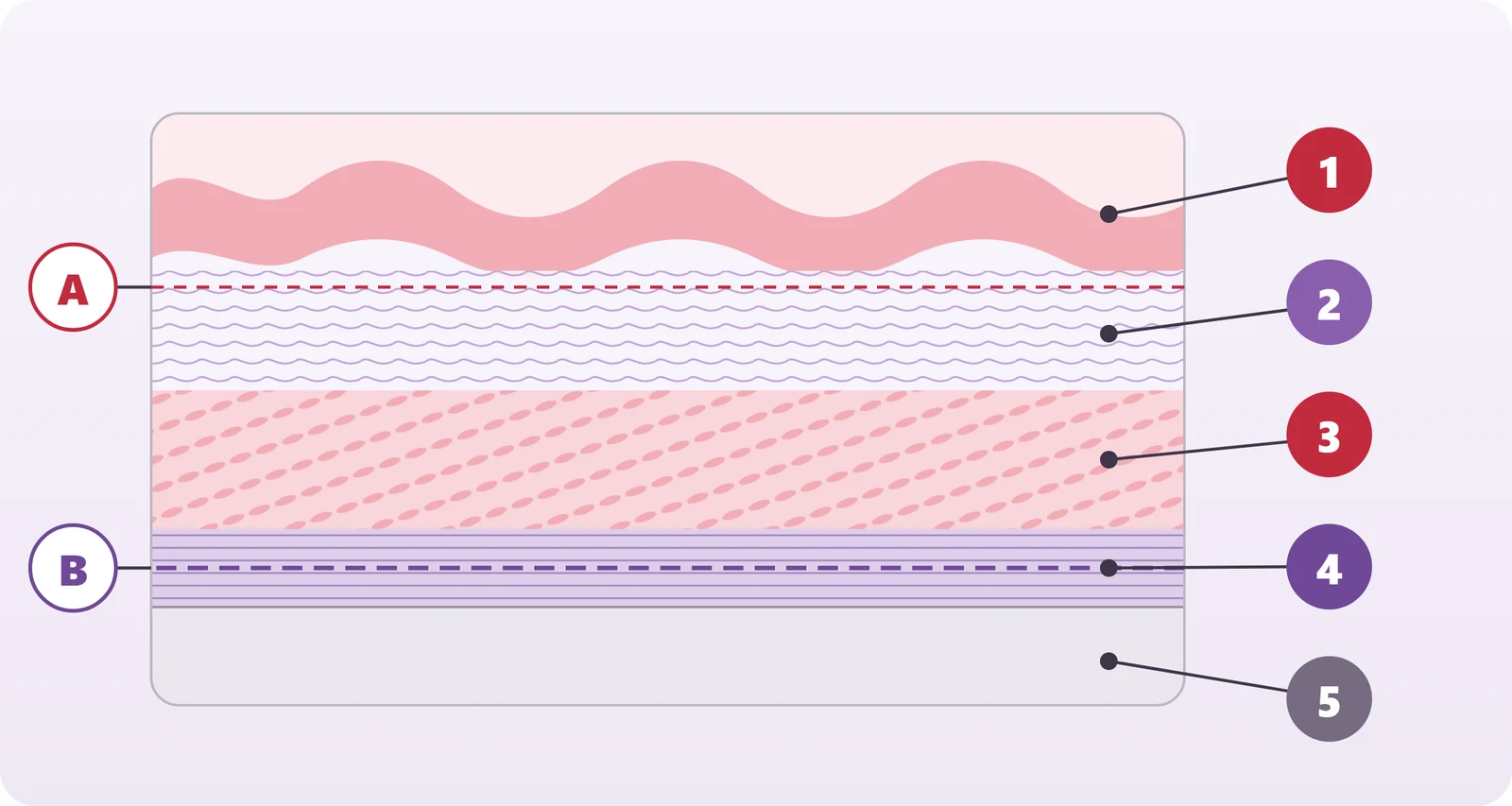
Our approach is based on evaluating support tissues and fascial planes in patients who need it, rather than performing a superficial narrowing by removing only the mucosa.
Therefore, the surgical plan is not the same for every patient. One patient may have a defect only at the perineal introitus, while another may have support loss in the posterior vaginal canal, anterior wall, perineal body, or multiple compartments.
Correct vaginoplasty should be evaluated not by how much tissue is removed, but by how accurately the anatomical defect is repaired.
The goal for every patient is to perform a personalized functional and anatomical reconstruction without unnecessary tissue removal or excessive narrowing, while preserving bladder and bowel functions and sensory anatomy as much as possible.