
A surgical method performed through small incisions in the abdomen with the aid of a camera, allowing diagnosis and treatment to be done in the same session.
Laparoscopic Surgery About 45 minutes
Laparoscopic Tubal Ligation and Salpingectomy
Tubal ligation for permanent contraception or removal of the fallopian tubes when medically necessary.
About Laparoscopic Tubal Ligation and Salpingectomy
Tubal ligation is a method aimed at permanently ending fertility and is preferred for individuals who have completed their desire for children. The procedure can be performed laparoscopically; in some cases, removal of the entire fallopian tubes is preferred instead of just tying them. Salpingectomy may also be considered in cases of tubal diseases such as hydrosalpinx or other medical necessities. It is thoroughly explained before surgery that the method is permanent, reversal is not always possible, and although rare, pregnancy can still occur, and written consent is obtained. It is recommended not to rush the decision and to comparatively evaluate temporary methods as well.
Tubal Ligation (Tubes Tying)
Tubal ligation is a method aimed at permanently ending fertility and is considered for individuals who have completed their desire for children. The procedure can be performed laparoscopically, and in suitable cases, it can also be done using the vaginal endoscopic surgery (vNOTES) technique. It is recommended not to rush the decision and to comparatively evaluate temporary contraception methods as well.
What is the vNOTES Method?
vNOTES, which stands for Vaginal Natural Orifice Transluminal Endoscopic Surgery, is a minimally invasive surgical technique performed through vaginal access. The surgeon carries out the procedure without making incisions on the abdominal wall, using special instruments and a camera. Tubal ligation with this method is mostly done for contraception purposes.
Key Features of Tubal Ligation with vNOTES
- Minimally invasive: since it is performed vaginally, there are no external incisions or visible scars.
- Less pain and lower risk of complications: generally provides a more comfortable experience compared to traditional surgical methods.
- Rapid recovery: patients usually return to daily activities in a short time.
- Short hospital stay.
Other Surgeries Using the Same Method
The vNOTES technique is not only used for tubal ligation. It can also be applied vaginally when the uterus needs to be removed due to bleeding, fibroids, cysts, or cancer; since no external incisions are made, no visible scars occur, recovery is generally faster, and hospital stay is shorter.
The method can also be used to remove lesions such as fibroids and cysts. Avoiding large incisions on the abdominal wall offers benefits such as less bleeding, shorter hospital stay, and lower risk of complications. It is also possible to perform prolapse treatment with vNOTES; in this condition caused by childbirth, aging, or connective tissue weakness, a less invasive repair can be done vaginally.
What to Consider When Making a Decision?
Whether each patient is suitable for these methods should be decided after consultation with an experienced physician. In tubal ligation, it is explained in detail before surgery that the decision is permanent, reversal is not always possible, and although rare, pregnancy can still occur; written consent is obtained. In some cases, complete removal of the tubes (salpingectomy) may be preferred instead of ligation; the reasons for this choice are clearly shared during the consultation.
Post-Procedure Period
Hospital stay is short with minimally invasive methods, and most people return to daily activities quickly. However, recovery time varies depending on the extent of the procedure and the individual's overall condition. Attending the postoperative follow-up appointment is important to ensure that healing is progressing as expected.
The information on this page is prepared for general informational purposes and does not replace a physician's examination. Please consult a doctor for your complaints.
How It Works
The Process
The steps below describe how things generally work at the clinic. Which tests are needed and how the plan is set varies from person to person.
-
Step 1
Initial consultation and assessment
We review your complaints, medical history and any previous tests together. The examination is planned after this conversation.
-
Step 2
Necessary tests
If an ultrasound, lab work or other examination is needed, we clearly explain which one and why.
-
Step 3
Personalized plan
Findings are interpreted together; options, expected duration and any alternatives are shared with you. The decision is made jointly.
-
Step 4
Follow-up
A check-up is scheduled to see how things are progressing. If you have questions in between, you can reach the clinic.
Laparoscopic Surgery
Related services
Other services in the same area may also interest you.
A surgery preferred for patients with fertility plans, in which fibroids are removed using a minimally invasive method while preserving the uterus.
Removal of ovarian cysts that do not resolve spontaneously, grow, or cause symptoms, using a minimally invasive (laparoscopic) method.
Laparoscopic treatment of endometriosis presenting with severe menstrual pain and chocolate cysts.
A surgical procedure performed using a minimally invasive method in ectopic pregnancies, aimed at preserving the fallopian tube.
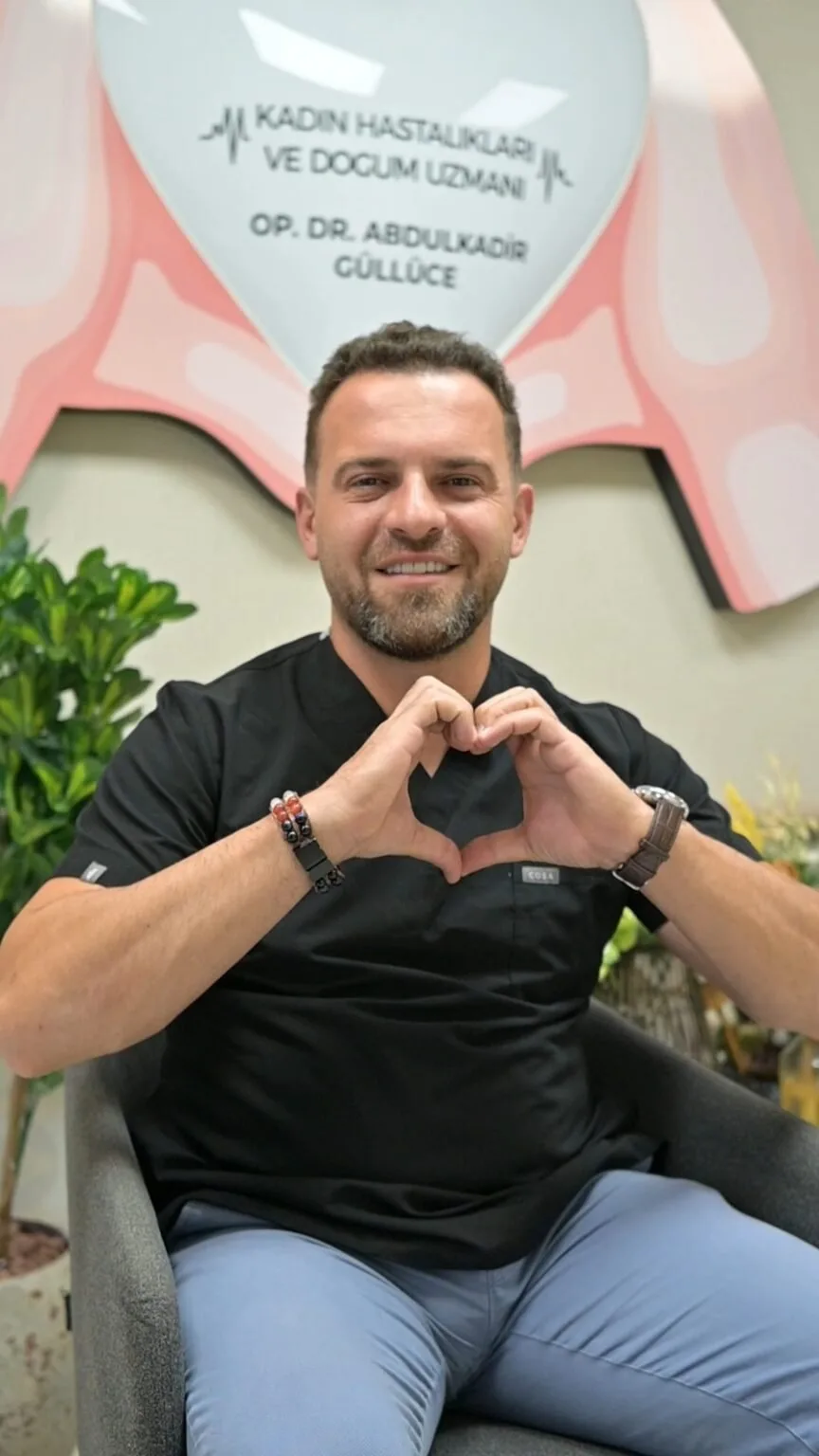
Your Doctor
Op. Dr. Abdulkadir Güllüce
Obstetrics and Gynecology Specialist
Op. Dr. Abdulkadir Güllüce has been practicing medicine since 2013 and has specialized in Obstetrics and Gynecology since 2022. He bases his practice on current scientific guidelines in areas ranging from pregnancy follow-up to gynecological surgery, tailoring the treatment plan according to each patient's individual history. He sees his patients at his clinic in Yakuplu, Beylikdüzü, and makes a point of explaining every step of the process in clear, understandable language.
Book Laparoscopic Tubal Ligation and Salpingectomy
The service will already be selected when you book. After choosing a day and time, there's just a short confirmation step.
The information on this page is for general purposes; it does not replace an examination, diagnosis or treatment and does not promise any outcome. Whether it applies to you is assessed together with your history and examination findings. If you experience severe pain, heavy bleeding, fever or fainting, go to the nearest healthcare facility without delay.